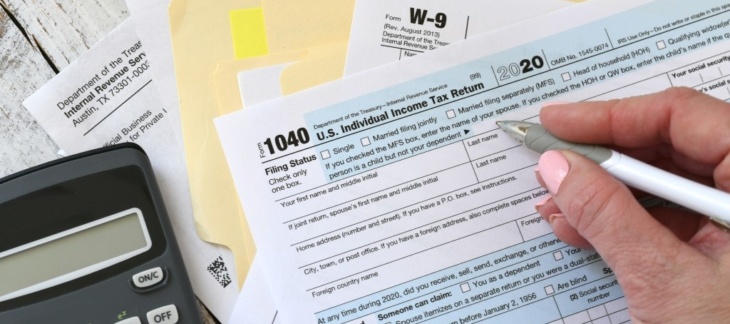
A tax audit conducted by the Inland Revenue Authority of Singapore is a means for business owners and individuals to have their income reported accurately in accordance with tax regulations. The majority of audits are simply standard compliance checks, not indications that there has been any wrongdoing; however, there are certain triggers that can increase the probability that a taxpayer will be selected for an audit.
Examples of these triggers include inconsistencies between amounts reported on your tax return and other documents, such as bank statements, business expenses being reported at rates that are unusually high relative to the income being earned, or filing late. When taxpayers understand audit triggers and the proper way to respond to IRAS requests, they can manage audits more smoothly and stay compliant with Singapore tax regulations.
What Is an IRAS Tax Audit?
An audit carried out by the Inland Revenue Authority of Singapore is an official investigation into a company’s financial records, tax returns, and supporting documents. The main purpose of an audit is to make sure that the information on a company’s tax return is correct and that the right amount of tax has been paid to the government.
IRAS may review:
- Corporate tax returns
- Financial statements
- Expense claims and deductions
- Payroll and employee-related payments
- Supporting documents such as invoices and receipts
A lot of businesses hire professional tax services to make sure their records are kept up to date and ready for an audit.
Common Triggers of an IRAS Tax Audit
 While IRAS does not publicly disclose every factor used to select audit cases, several common triggers may lead to further review.
1. Inconsistent Financial Reporting
When financial figures vary widely between years, tax authorities may take a closer look. A sharp and unexplained drop in profit can sometimes lead to an IRAS tax audit.
2. Excessive Expense Claims
Claiming unusually high deductions compared to industry standards may lead to closer inspection.
3. Late or Incorrect Tax Filings
If you keep missing deadlines for filing your taxes or giving wrong information, it could mean you’re not following the rules.
4. Industry Risk Profiles
Certain industries that rely heavily on cash transactions—such as retail or food services—are more frequently reviewed.
5. Random Selection
Sometimes businesses are chosen randomly as part of IRAS’s compliance monitoring programme.
Quick Overview of the IRAS Tax Audit Process
| Audit Stage | What Happens |
|---|---|
| Audit Notification | IRAS informs the company about the review and requests documents |
| Document Submission | The business provides financial records, invoices, and supporting information |
| Review & Clarification | IRAS may ask questions or request additional documents |
| Audit Outcome | IRAS issues findings and may adjust tax assessments if needed |
Understanding these steps can help businesses handle tax audit situations calmly and effectively.
How to Prepare for an IRAS Tax Audit
Preparation is the best defence against tax compliance issues. Businesses should maintain organised records and ensure that their financial reporting is accurate.
Best Practices for Audit Readiness
- Maintain detailed records of all transactions for at least five years.
- Ensure invoices and receipts clearly support expense claims.
- Reconcile financial statements regularly.
- Keep payroll and tax documents organised.
- Review tax filings before submission.
Many companies hire professional tax services to check that their financial information is correct and up to date before they file.
What to Do if You Get a Tax Audit in Singapore

If your business gets an audit notice, you should respond in a professional and helpful way.
1. Read the Audit Notice Carefully
The notice will say what papers you need to send in and when they need to be sent in.
2. Gather All Relevant Records
Prepare financial statements, tax filings, invoices, and other supporting documents requested by IRAS.
3. Verify Information Before Submission
Make sure that all of your documents match the information you gave on your tax returns.
4. Respond Promptly to IRAS Queries
Timely responses demonstrate transparency and cooperation.
5. Seek Professional Assistance
Working with experienced tax professionals can help businesses handle the audit process properly and communicate clearly with IRAS.
Businesses can confidently deal with tax audit requests without too much stress if they follow these steps.
Tips to Reduce the Risk of an Audit
While audits cannot always be avoided, businesses can minimise risk by following good financial practices.
- Keep accurate accounting records and documentation.
- Submit tax returns on time.
- Ensure expense claims are legitimate and well supported.
- Maintain transparency in financial reporting.
- Conduct regular internal reviews of financial statements.
These practices not only reduce audit risk but also strengthen overall financial management.
What Happens After the Audit?
IRAS will come to a conclusion after looking over your records. Some possible outcomes are:
- No adjustments required: Your tax returns are confirmed as accurate.
- Additional tax assessment: IRAS may adjust the tax payable if discrepancies are found.
- Penalties: In serious cases involving incorrect reporting or tax evasion.
Being prepared and cooperative throughout the process significantly improves the chances of a smooth resolution.
Conclusion
By understanding the causes and processes involved in an IRAS tax audit, businesses can remain confident and prepared. Keeping accurate records, submitting tax returns accurately, and being on time with IRAS requests are essential in effectively managing tax audits. Although tax audits can be daunting, being properly prepared can make the experience much less painful. Businesses that need professional help can rely on experienced tax services professionals such as Entrust to provide assistance and advice on how to ensure that companies are able to manage and deal with tax audit situations effectively while remaining tax-compliant in Singapore.
Frequently Asked Questions (FAQs)
1. What is the purpose of an IRAS tax audit?
An IRAS tax audit is conducted to ensure businesses report their income accurately and comply with Singapore tax regulations.
2. How often do businesses get audited by IRAS?
There is no fixed schedule. Audits may occur due to risk indicators, irregular filings, or random selection.
3. How long does a tax audit usually take?
The duration varies depending on the complexity of the case. Some audits may take a few weeks, while others may take several months.
4. Can small businesses face a tax audit?
Yes. Businesses of all sizes can be selected for review if their records raise compliance concerns.
5. What should a business do first when notified of an audit?
Review the audit notice carefully, gather the required documents, and prepare to handle tax audit queries in an organised and transparent manner.